Know your chain. Own your story.
The Digital Product Passport as an opportunity for textile companies
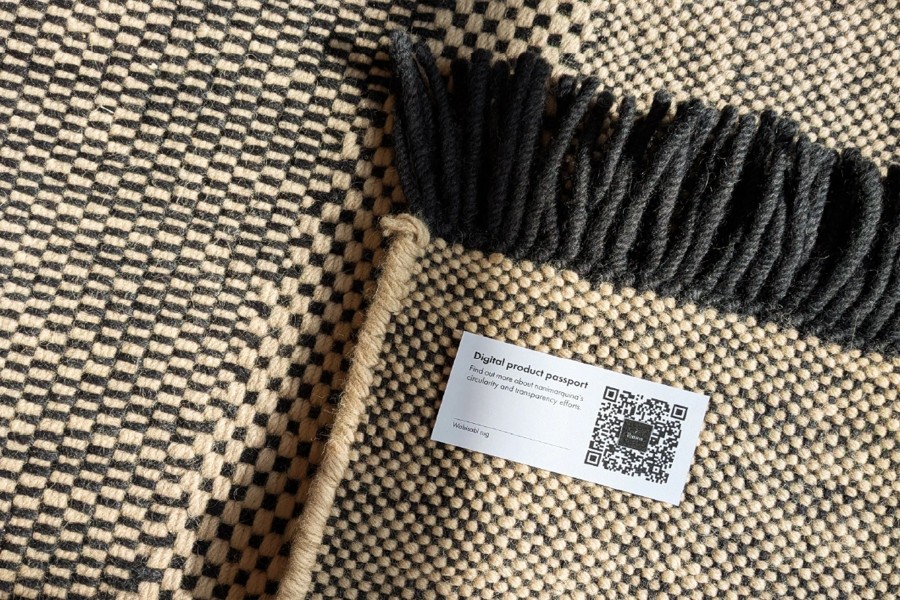
Sustainability is on the agenda, but for many textile businesses it feels like extra workload. Regulations are piling up. The Digital Product Passport is coming, and most companies see it mainly as something to tick off a list. Very few see the opportunity. Let’s dive into what is possible.
From obligation to infrastructure
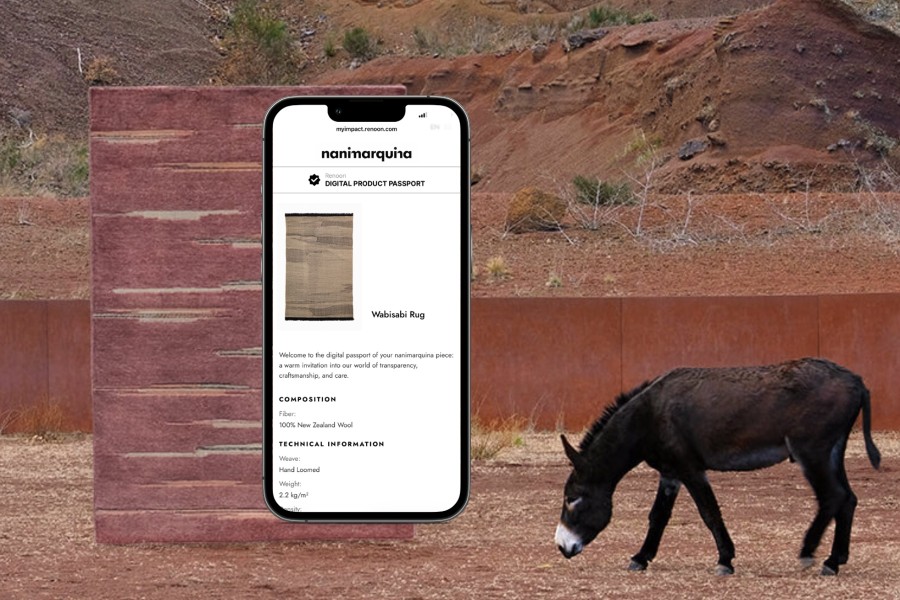
The ESPR regulation will require European textile companies to issue a DPP per product from 2027 onwards. The question is not whether you do it, but what you do with it. Because the data you already have to collect can also be deployed as a strategic advantage. Not as a compliance document, but as infrastructure that creates two connections: back into your supply chain, and forward to your customer.
Three questions
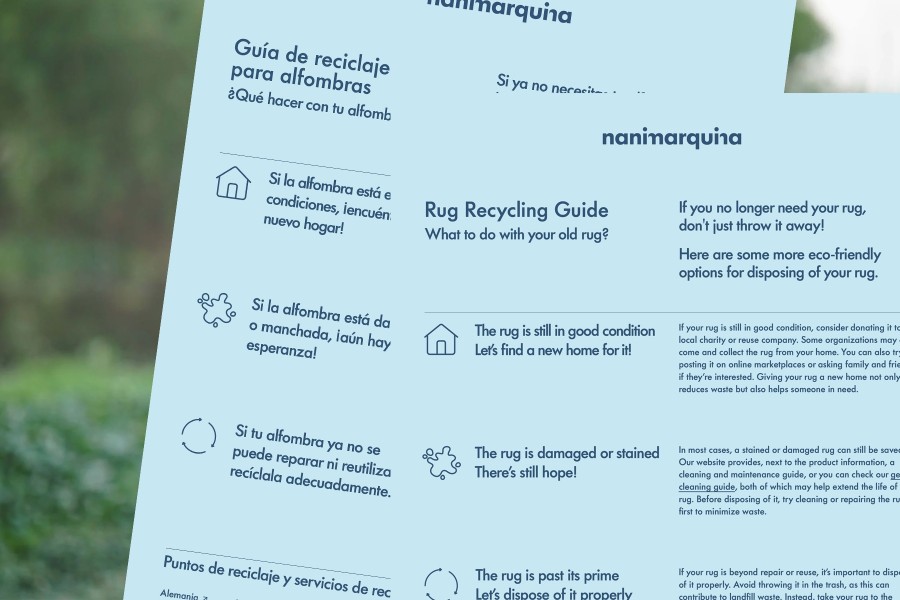
How do you build deeper supply chain collaboration - and what knowledge and materials does that put in your hands that others don’t have? How do you turn mandatory product data into an authentic brand story, rooted in where you come from and what you make - rather than a technical summary no one reads? And how does your product become a living connection point with your customer, even after purchase - so that you decide what happens to your product at the end of its life, rather than someone else? Who profits from your product after you’re done with it - and what does it yield if you stay in touch with your customer for longer?
Next steps
These are not hypothetical questions. They're the starting point for a different conversation - one we're already having with craft and textile businesses on both sides of the supply chain.
Are you an importer or retailer working with craft or textile suppliers? We are exploring how Digital Product Passports can work not just as a compliance requirement, but as a tool that strengthens supplier relationships and brand storytelling. Does that sound like something you are exploring? I would love to know more! Give me a call or
Also read : Sustainable collaboration with suppliers - from checklist to co-creation