Craft as living practice
Exploring Proud South Craft by Li Edelkoort
Last week, Craftscurator attended the launch of Proud South Craft in the Netherlands and Lidewij Edelkoort’s presentation at Fenix, the new migration museum in Rotterdam. Being in a place dedicated to stories of movement, migration, and cultural exchange felt like the right context for this book. After Proud South, which focused on fashion from the Global South, this new book focuses on craft - treated not as something just timeless or traditional, but as a dynamic, contemporary field.
Creative energy
Edited by Lidewij Edelkoort together with Lili Tedde, Proud South Craft brings together work by designers and artisans from the Global South. The book highlights a creative field shaped by long-standing knowledge systems and traditions, but driven by energy, experimentation, and confidence. Edelkoort describes the South as a pressure cooker of talent—full of ideas, skills, and perspectives that have always been there. We just haven’t been looking properly.
Beyond categories
One of the things that stands out is how easily this work moves beyond familiar labels. There is no strict line between functional and decorative, between art, design, and craft. Objects are allowed to be many things at once: useful, symbolic, playful, spiritual, or explicitly political. Collaboration plays a big role, and the work feels open and inclusive rather than exclusive or precious. It speaks its own visual language, without needing permission.
Materials and the hand
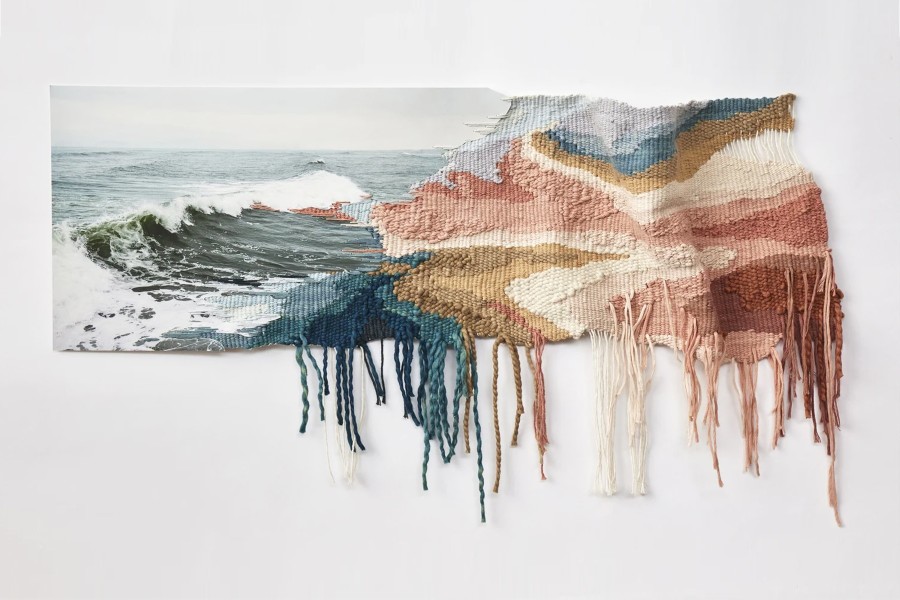
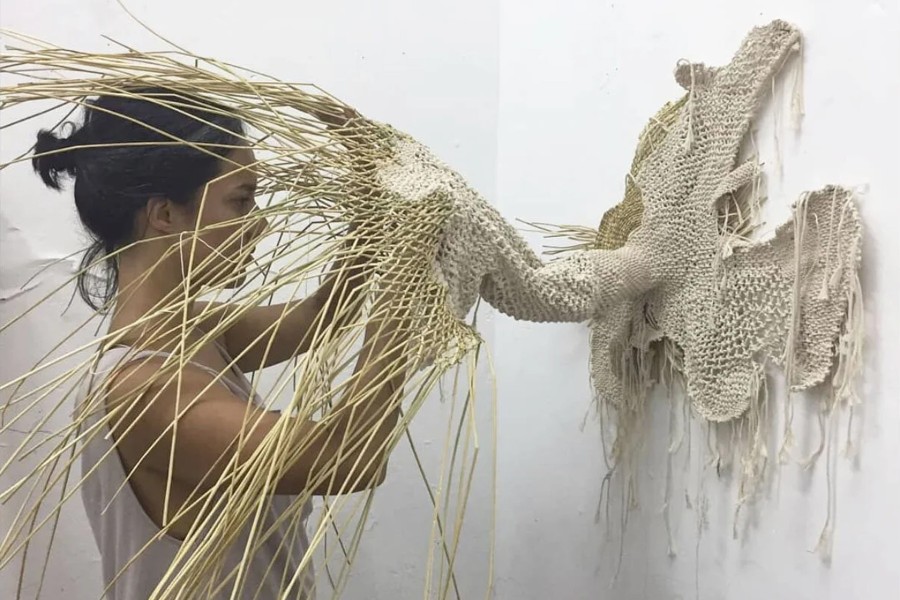
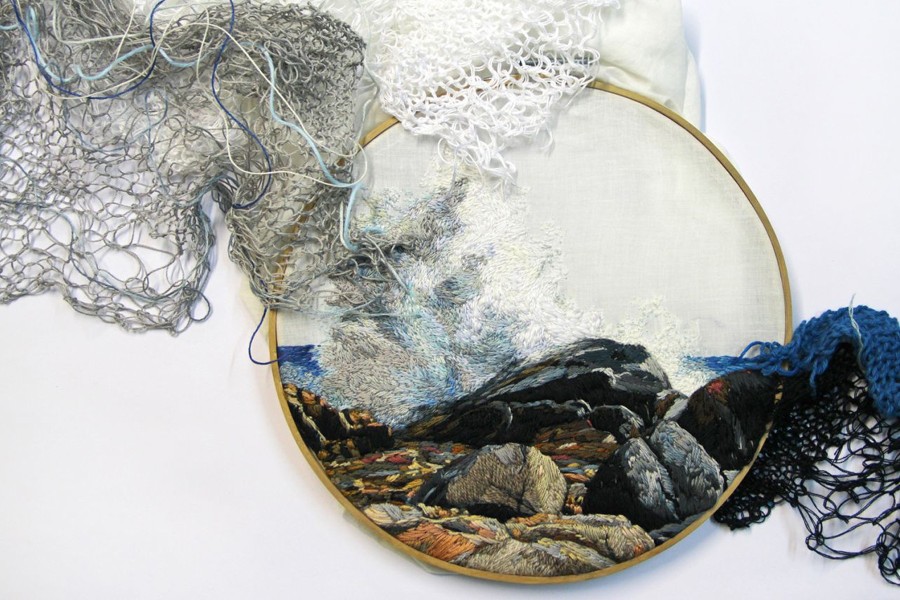
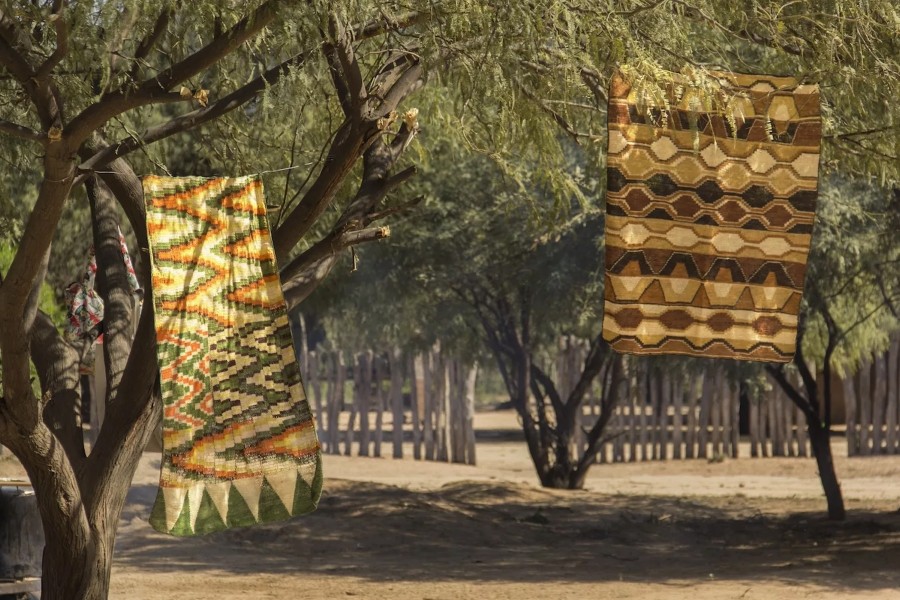
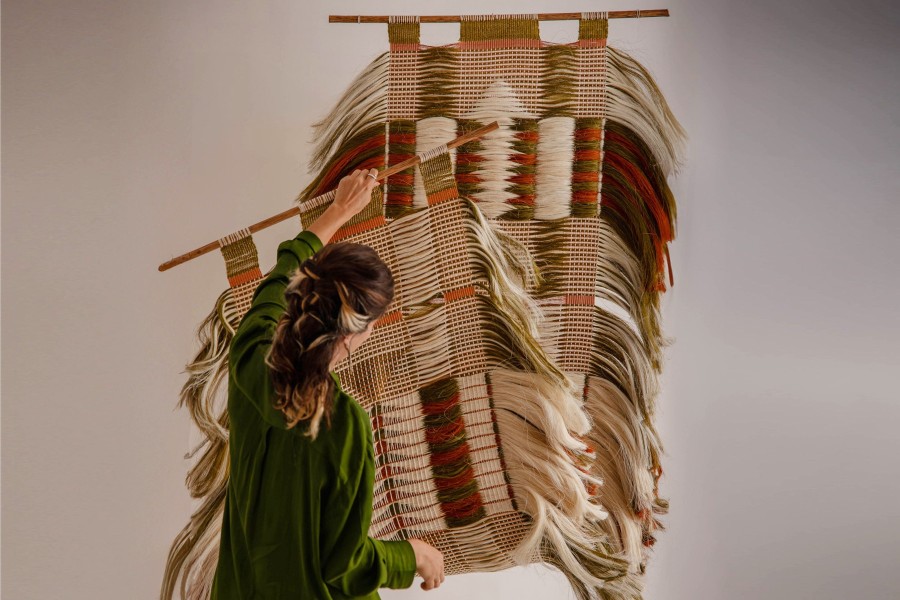
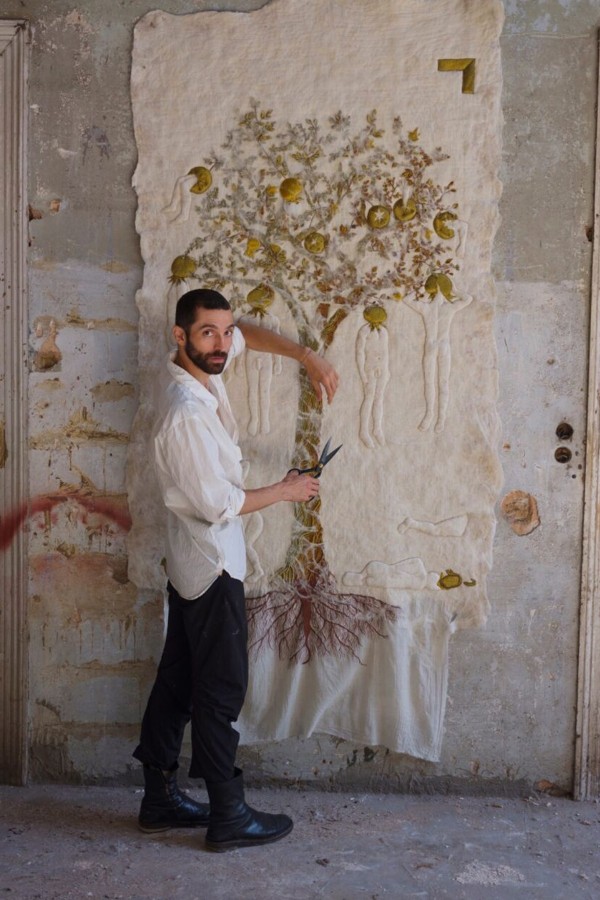
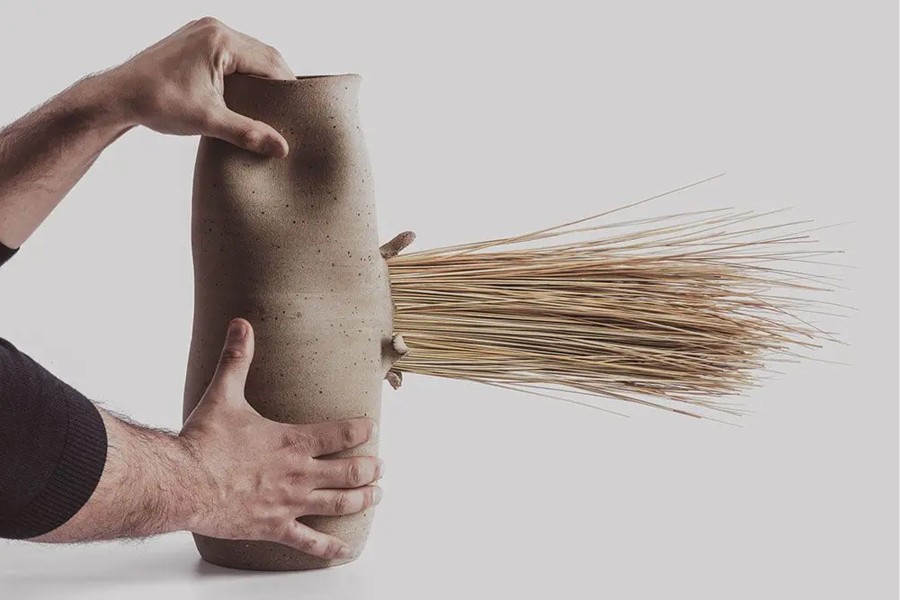
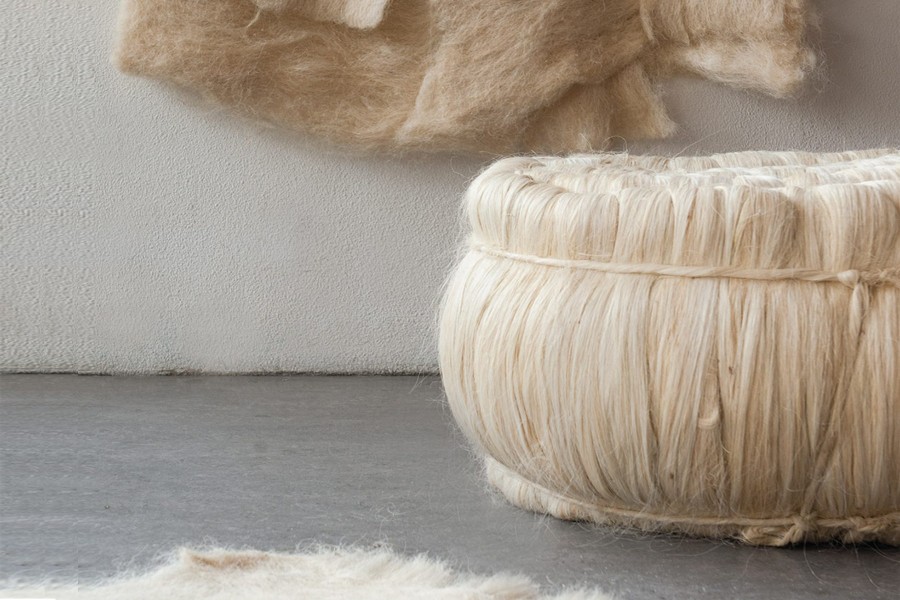
Materials are central throughout the book. Mud, roots, sand, grasses, wood, and fibres appear again and again—not as stylistic choices, but as materials that are locally available and deeply familiar. Makers work with plant-based dyes, pastes and finishes. The weaving, kneading, rubbing, beating, tying give shape to the craft objects. What stands out is not an idea of handicraft, but a grounded way of making that grows out of place, skill, and long-standing relationships with materials.
Craft as a buffer against AI
Proud South Craft also frames craft as a counterbalance to a world that is increasingly dominated by digital technology. These objects insist on texture, weight, and irregularity. They are earthy, tactile, and sometimes rough. Craft here is not linear or polished; it is circular, experimental, and constantly evolving. And deeply human.
Exposure and access
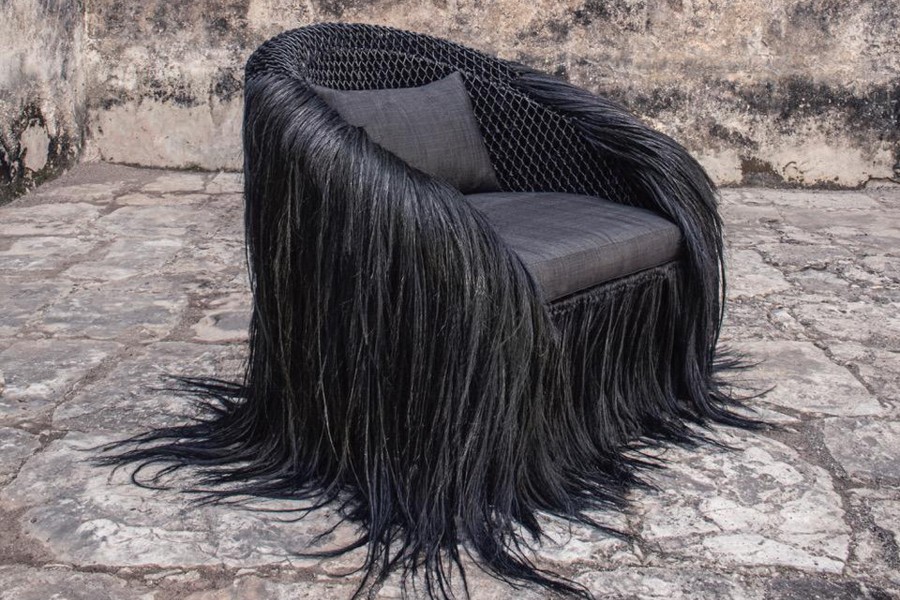
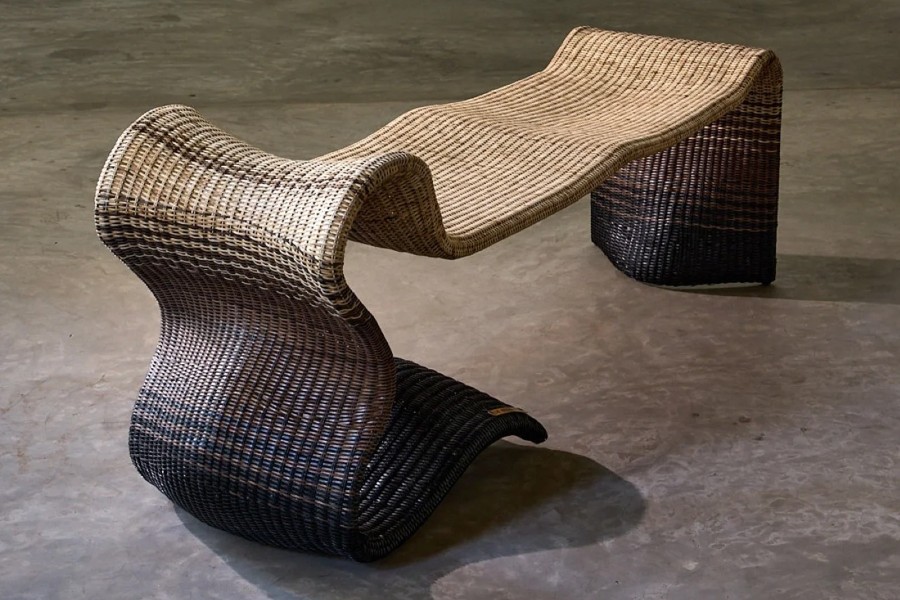
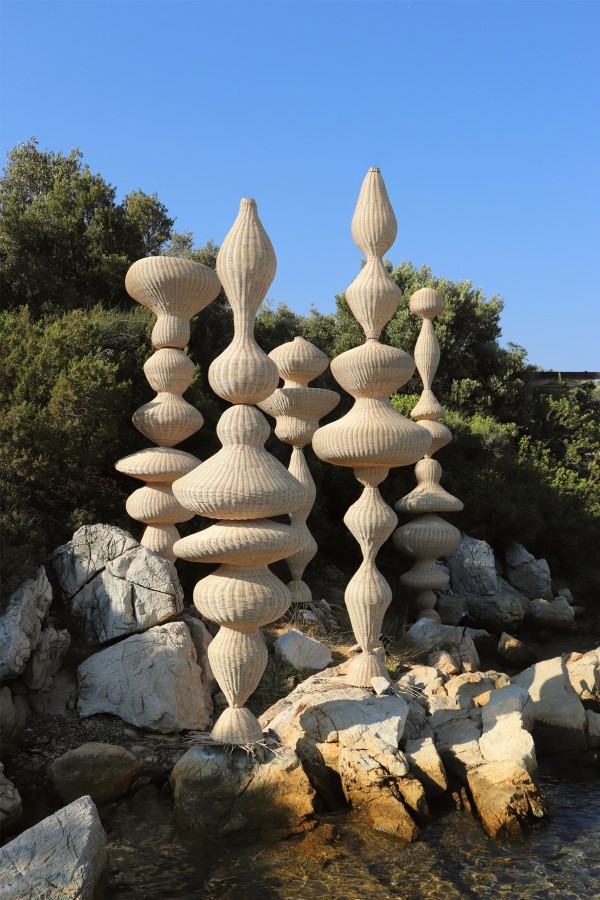
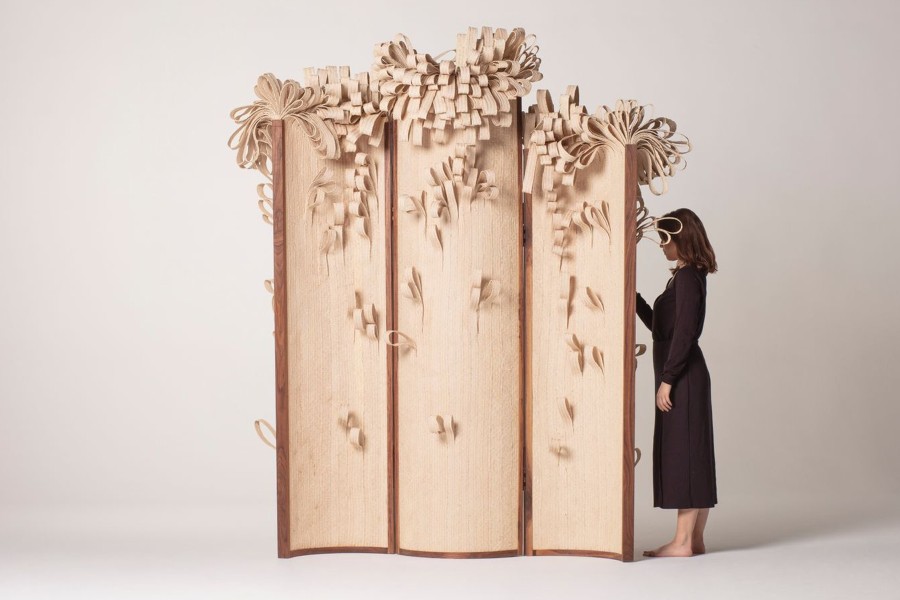
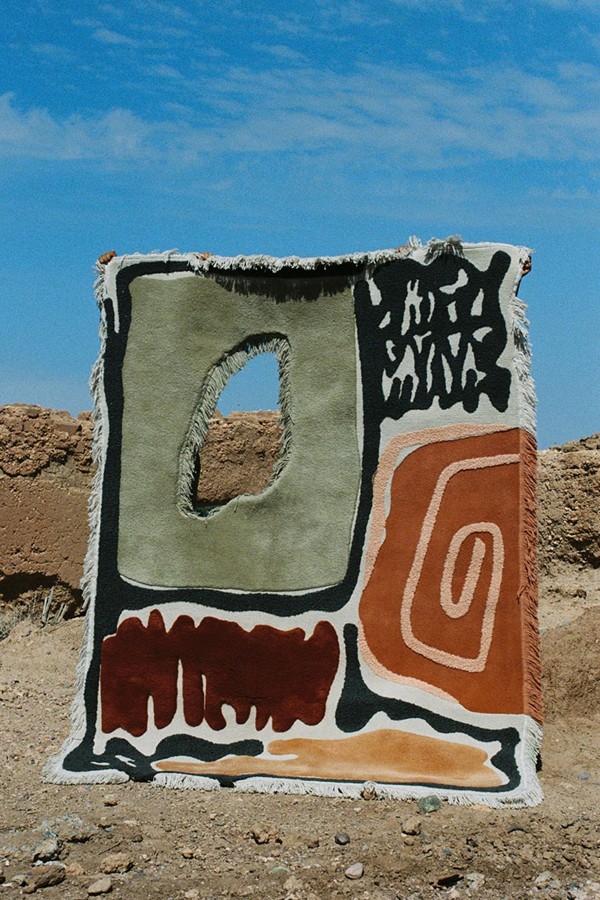
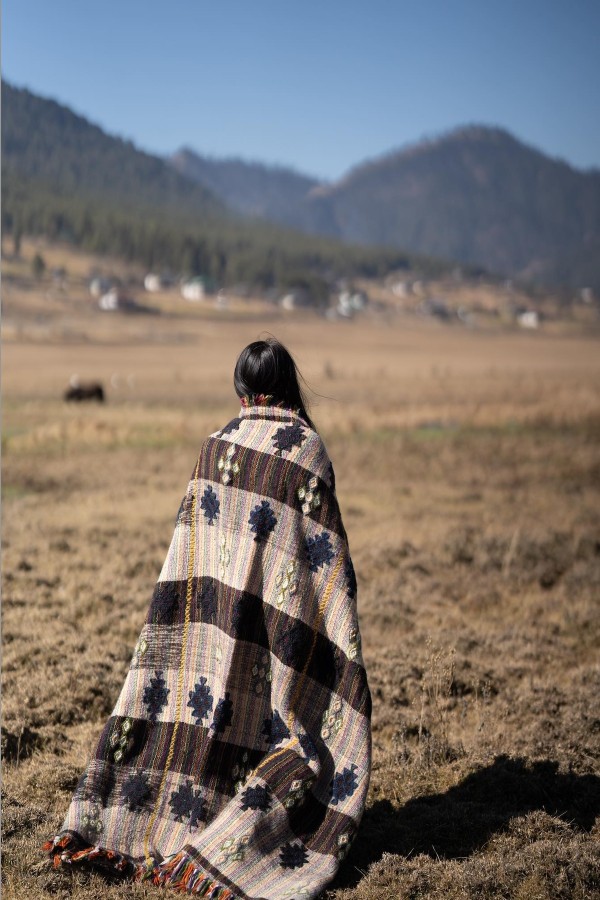
Visually, the book is rich and generous. It shows woodwork, ceramics, and textiles. Basketry and weaving play a leading role: baskets, rugs, stools, and artefacts made from natural fibres. Many of these pieces are suited for shops, galleries, museums, or public spaces. At the same time, Craftscurator wonders: What happens after visibility? How are these makers supported in the long term? And who gets to tell their stories as this work circulates globally? Do makers have access to audiences?
Key insights
For designers and buyers, Proud South Craft is a reminder that innovation does not always come from new technologies, but from deep relationships with materials and techniques. For institutions and educators, it offers a strong argument for understanding craft as cultural knowledge, not just as a set of skills. And for anyone interested in design, it shifts the focus away from the Global South as a trend, and towards the South as a place of leadership in how we think about making today.
Reflections
Proud South Craft encourages us to slow down and look more carefully—at materials, at labour, at processes, and at the contexts they come from. But it also asks for a certain alertness: to notice when admiration slips into romanticisation, and when visibility risks smoothing over unequal conditions of work and exchange. Rather than asking how we can copy these practices, the book leaves us with a more difficult and more necessary question: how can we learn from them without aestheticising the labour or flattening the realities that shape them?
Craftscurator works with makers, artisans, communities and entrepreneurs to develop their creative practice and to create exposure and market access. Learn more about Craftscurator


Book details
- Title: Proud South Craft
- Authors: Lidewij Edelkoort and Lili Tedde
- Publication date: 5 July 2025
- Language: English
- Pages: 424
- ISBN: 9789462265462